
Philip's Artistic Apprenticeship
Of Human BondagePhilip's artistic ambition grows through Parisian study and friendship, then collapses under evidence that effort cannot supply talent.
increasing Bearing strength in each event
 decreasing
Bearing strength in each eventdecreasingA Student's Hope
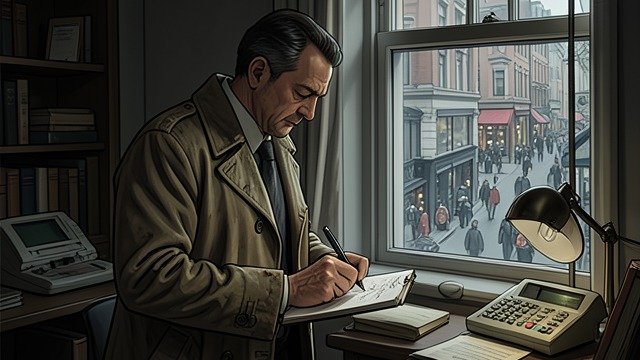
A Student's Hope
Philip's sketches and earlier lessons make painting seem a possible career. Stories of artistic freedom and romantic poverty encourage him to imagine himself as a future master.
Ambition without evidence
He has not yet tested his work seriously, and praise from acquaintances cannot distinguish promise from enthusiasm. His decision is driven partly by the need to escape an office he hates.
A Parisian Beginning

A Parisian Beginning
Philip enters a studio and discovers how difficult it is to draw from observation. The lively artistic community exposes him to new methods, arguments, and standards of judgment.
Learning to see
His admiration shifts from inherited tastes toward modern painting. He gains technical habits and a richer visual vocabulary, although influence often leads him to imitate rather than find his own approach.
The Studio's Warning
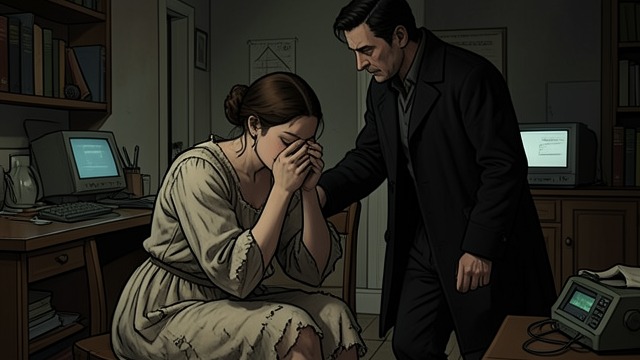
The Studio's Warning
Foinet criticises Fanny Price's work with brutal directness, destroying her confidence without changing her conviction. Philip witnesses the danger of mistaking persistence for artistic ability.
A lesson deferred
The scene becomes more consequential after Fanny's death. Philip sees that effort and sincerity may fail to produce the talent an artist needs to survive.
A Rejected Portrait

A Rejected Portrait
Philip works on a portrait of Miguel Ajuria and submits it to the Paris Salon. Its rejection confirms neither that he has no ability nor that success is simply being withheld; it intensifies his doubts.
Measuring the cost
He compares the uncertain promise of art with poverty, time, and the possible loss of other experiences. The question becomes whether painting is worth pursuing without a strong inner compulsion.
Foinet's Verdict
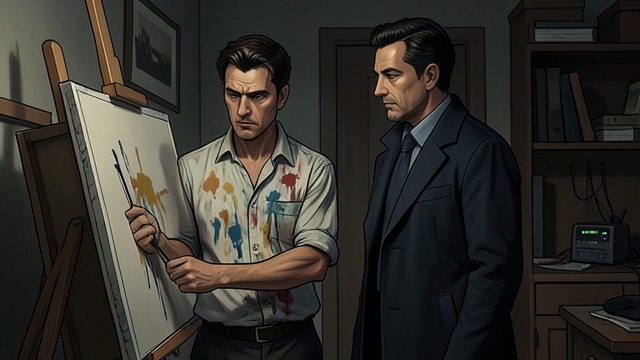
Foinet's Verdict
Philip asks Foinet to judge his work honestly, and the master calls him industrious but mediocre. Philip accepts the assessment and abandons painting rather than build a life around a talent he does not have.
An ending that still teaches
The years in art remain valuable because they train his eye and deepen his experience. Giving up the career is painful, but it releases him to seek work better suited to him.
early adulthood, before Philip's first visit to Paris
Philip's first months in Paris
during Philip's early period at Amitrano's School
after Philip has studied painting for nearly two years
soon after Philip's uncle dies
